Alive: Capturing Genuine Movement in Your Brand
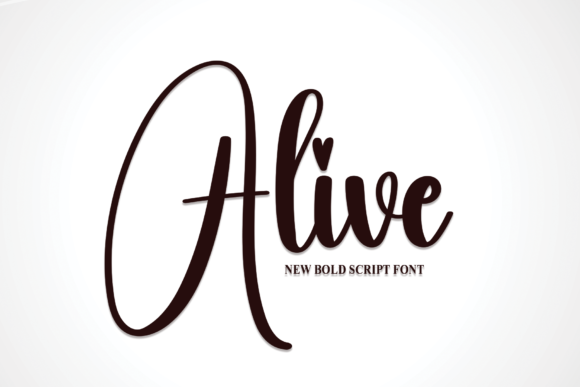
There is a specific kind of energy that digital precision often struggles to replicate. It is the slight imperfection of a hand moving across paper, the natural lift of a pen between letters, and the organic flow that comes from a human touch. For designers, marketers, and entrepreneurs looking to inject personality into their visual assets, the Alive typeface offers a solution that feels less like a manufactured product and more like a spontaneous expression. It is a classic, simple handwritten script, but its defining characteristic lies in its random and free style. It does not look like a font that was forced into a grid; it looks like typography that is breathing.
The Anatomy of Spontaneity
When you look at Alive, you are not seeing the rigid construction of a standard serif font or the geometric cleanness of a sans serif font. Instead, you are looking at the DNA of a script font that prioritizes character over uniformity. The visual personality of this typeface is defined by its irregular baselines and varying letter angles. In a world dominated by sterile corporate aesthetics, this font brings a necessary warmth. It mimics the natural inconsistencies of handwriting, where the pressure of the stroke changes and the spacing between letters breathes.
Because it was designed with a "free style," Alive avoids the trap of looking like a standard cursive font taught in elementary school. It carries a maturity and an artistic edge. The connections between letters are fluid, allowing the eye to glide across words without getting stuck on overly complicated ligatures. For anyone working on logo design, this distinction is vital. A logo needs to be memorable, and the organic rhythm of Alive ensures that a brand mark feels approachable and distinct rather than generic. It is a premium font that understands the value of human connection in visual communication.
Strategic Applications for Modern Creators
Understanding where a font fits into your workflow is just as important as liking how it looks. Alive is versatile, but it shines brightest when used as a display font. Its personality is too distinct for long-form body copy, but for headlines, pull quotes, and hero images, it is incredibly effective. Here is how different professionals can leverage this typeface:
Brand Identity and Entrepreneurship
For small business owners and entrepreneurs, the voice of the brand is often personal. If you are a lifestyle blogger, a boutique shop owner, or a creative consultant, Alive can form the cornerstone of your brand identity. It suggests that there is a real person behind the business. Using this font for your primary wordmark or tagline creates an immediate sense of intimacy with your audience. It signals that your brand values authenticity over corporate stiffness.
Digital and Social Media Presence
In the fast-paced environment of social media graphics, grabbing attention is half the battle. The dynamic movement of Alive works exceptionally well for Instagram stories, YouTube thumbnails, and website banners. Because handwritten fonts generally have high visual contrast against clean backgrounds, you can use Alive to highlight key messages in your web design or digital ads. It cuts through the noise of standard block text, inviting the user to read what feels like a personal note rather than an advertisement.
Editorial and Packaging Design
Print is not dead, but it does need to be tactile. In editorial design—such as magazine covers or book titles—this font adds an artistic, handcrafted layer. It works beautifully for packaging design, particularly for products in the food, beauty, or artisanal sectors. Imagine a coffee bag or a candle label using Alive to describe the scent or flavor; the font visually reinforces the handmade nature of the product. It bridges the gap between the physical product and the emotional experience of the consumer.
Mastering Font Pairings and Hierarchy
One of the most common mistakes in modern typography is using a script font for everything. Alive is a powerhouse, but it needs a partner to create a balanced visual hierarchy. The golden rule for pairing a handwritten font like Alive is contrast. You want to pair it with something stable and quiet.
A clean, geometric sans serif font is usually the perfect companion. If Alive is the enthusiastic storyteller, the sans serif is the attentive listener. Use Alive for the H1 headlines or the logo, and use a sans serif like Helvetica, Futura, or a modern alternative for the subheadings and body text. This ensures readability while maintaining the energetic vibe of the brand. If you are working on a project that requires a bit more tradition, such as wedding invitations or formal event branding, you could pair it with a light, old-style serif font, but be careful not to let the two styles compete for attention.
Practical Guidance for Implementation
When integrating Alive into your design assets, there are a few technical and aesthetic considerations to keep in mind to ensure the best result.
- Evaluate the Context: Before applying the font, ask yourself if the tone of the project matches the font's energy. Alive is casual and spirited. It is perfect for a music festival poster, a game interface, or a cartoon title sequence. It is likely not the right choice for a corporate law firm’s annual report or a medical disclaimer.
- Check the Spacing: Handwritten fonts often require manual kerning. Because the letters in Alive are designed to look natural, they might not sit perfectly on the mathematical grid of your design software. Do not be afraid to manually adjust the tracking and kerning to ensure the words look balanced to the human eye, even if they aren't mathematically perfect.
- Review Included Styles: When you acquire a commercial font like this, check for alternate characters or ligatures. Many premium fonts include different versions of letters to enhance the random effect. Swapping out a standard "t" for an alternate version can make a headline look even more authentic.
- Licensing and Scalability: Always verify the licensing terms. If you are using Alive for a client’s apparel industry merchandise or a mass-produced poster, ensure your license covers commercial use and the specific print run volume. Additionally, test the font at the size it will be displayed. While it scales up nicely for posters, avoid using it for small legal text or detailed descriptions where the organic strokes might become illegible.
The Verdict on Versatility
Ultimately, Alive is more than just a collection of vectors; it is a tool for storytelling. It appeals to the creator who wants to move away from the sterile look of default system fonts and embrace a style that feels genuinely human. Whether you are designing a comic book cover, setting up a new creative font library, or refining a corporate identity to be more approachable, this typeface offers a reliable way to add warmth and movement. It proves that in the world of design, sometimes the best way to look professional is to look a little less perfect and a lot more alive.