Default Typeface: Reviving 80s Digital Nostalgia
The Visual DNA: A Constructive, Techno Spirit
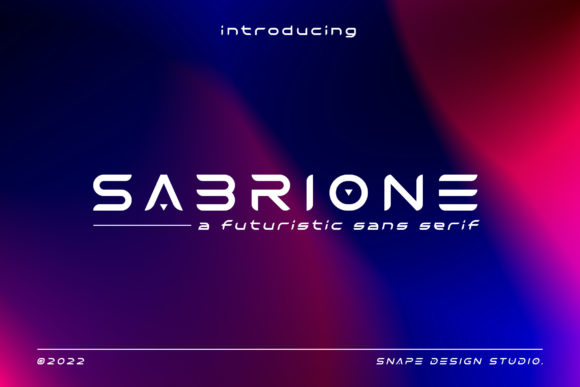
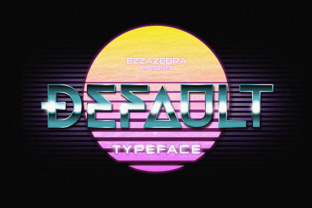
There is a specific aesthetic that defines the golden age of arcade cabinets and early digital interfaces—sharp, geometric, and unapologetically synthetic. Default Typeface is a modern sans serif font that captures this essence perfectly. It isn't just a throwback; it is a functional tool that bridges the gap between vintage motion graphics and contemporary web design. The typeface features clean lines and a structured rhythm that feels both constructive and digital. It avoids the sterile feel of corporate sans serifs, opting instead for a personality that feels alive and energetic.
When you look at the letterforms, you see the influence of the 80s in the geometry—the curves are calculated, and the terminals are precise. This makes it an exceptional premium font choice for projects that need to convey a sense of technology or futurism without looking dated. The "Regular" style offers a surprisingly readable texture for shorter paragraphs, making it versatile enough for subheadings or brief body text in magazines or blogs. However, the real magic happens when you engage with the stylistic alternates. By swapping out standard letterforms for more experimental versions, you can instantly transform the font from a reliable workhorse into a striking display font.
Application: From Brand Identity to Packaging Design
As a creative professional, choosing the right typeface is about matching the tool to the story you want to tell. Default Typeface excels in environments where you need to stand out with a modern typography approach. For entrepreneurs and small business owners in the tech, gaming, or entertainment sectors, this font offers a distinct voice. Imagine using it for a tech startup's logo design—the geometric precision conveys efficiency, while the retro flair suggests innovation and disruption.
It translates exceptionally well across various media. In packaging design, particularly for electronics, energy drinks, or streetwear, the font’s "techno" vibe commands attention on the shelf. For editorial design, it can be used for pull quotes or magazine headers to inject energy into a layout that might otherwise rely on standard serifs. Furthermore, digital creators will find it invaluable for social media graphics. On platforms like Instagram or TikTok, where visual noise is high, the bold, constructive nature of Default Typeface cuts through the clutter. It works beautifully for overlays on video content, mimicking the look of vintage motion graphics with minimal effort.
Technical Versatility and Stylistic Alternates
One of the standout features of this creative font package is the inclusion of effects and alternates. This is not just a static set of letters; it is a design system. If you are working on a project that requires a "maximal" aesthetic—think concert posters, festival branding, or high-energy YouTube thumbnails—you can utilize the included effects to add texture and depth. This saves significant time in post-production, allowing you to achieve a complex look directly within your typesetting software.
When evaluating design assets, versatility is key. Default Typeface allows you to maintain a consistent brand identity while varying the visual execution. You might use the standard glyphs for your website navigation and body text to ensure readability, while utilizing the alternates for your hero images and merchandise. This flexibility ensures that your brand feels cohesive but never repetitive. It is a practical solution for content creators who need to produce a high volume of varied graphics without losing their visual signature.
Strategic Pairing and Readability
While Default Typeface is a powerful statement piece, successful modern typography is often about balance. Because this font has a strong personality, it pairs best with simpler, neutral companions. A classic serif font can create a sophisticated contrast for long-form reading, such as in a blog post or digital magazine. Alternatively, pairing it with a clean, humanist sans serif font for body copy allows Default Typeface to take the spotlight in headers without overwhelming the reader.
Readability is always a priority. While the font is highly legible at medium and large sizes, its 80s-inspired geometry means you should be mindful of sizing when using it for extensive text blocks. It shines brightest as a display font. For entrepreneurs and marketers, this means using it strategically. Use it for your headlines to grab attention, your call-to-action buttons to drive clicks, and your merchandise to sell the vibe. Avoid using it for legal disclaimers or long paragraphs of fine print where a more traditional script font or standard body text typeface would be more appropriate.
Licensing and Commercial Use
For designers and business owners, the practicalities of licensing matter as much as the aesthetics. Default Typeface is a commercial font, meaning it is built for professional use. Whether you are designing a logo for a client, creating a line of t-shirts, or building a website for a small business, the licensing covers these commercial applications. This provides peace of mind, ensuring that your brand identity is built on a solid legal foundation.
Before finalizing your choice, test the font in your specific environment. Load it into your web design mockups or print a sample of your packaging design. Look at how the letter spacing (tracking) affects the readability at your intended size. The constructive nature of the typeface means it often looks best with slightly looser tracking, allowing the geometric shapes to breathe. By taking the time to test these variables, you ensure that Default Typeface serves your project not just as a visual decoration, but as a functional component of your communication strategy.