Grafit Sans: The Handmade Edge for Modern Brands
In a digital landscape often dominated by sterile, perfect vectors, there's a growing hunger for authenticity. We see it in the rise of organic textures in web design, the popularity of behind-the-scenes content on Instagram, and the demand for brands that feel human. This shift makes the choice of typography more critical than ever. Enter Grafit Sans, a premium font that captures the raw, tactile energy of a pencil mark. It’s not just a typeface; it’s a statement piece for projects that need to stand out with character and a cool, rough-hewn personality.
Understanding the Visual Character of Grafit Sans
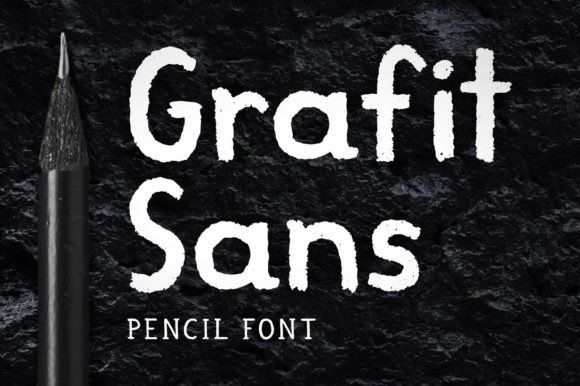
At its core, Grafit Sans is a sans serif font, but that simple classification doesn't do it justice. What makes it unique is its handmade quality. Imagine the slightly uneven pressure of a pencil on textured paper—the subtle variations in stroke width, the faint grain, the almost imperceptible imperfections that give it life. This is a handwritten font in spirit, but with a structured, modern foundation. It avoids the whimsy of a script font, leaning instead into a cool, urban aesthetic. Its letters have a confident, slightly gritty presence that feels both contemporary and timeless, making it a versatile creative font for a wide range of applications.
The personality of Grafit Sans is approachable yet bold. It carries an inherent sense of craftsmanship, as if each letter was carefully drawn rather than algorithmically generated. This makes it particularly effective for logo design and brand identity work where you want to convey authenticity, creativity, and a touch of rebellion. It’s the kind of display font that commands attention in a headline without shouting, offering a texture that pairs beautifully with cleaner elements. When used in packaging design, for instance, it can instantly communicate a product’s handmade, artisanal, or indie character.
Where Grafit Sans Truly Shines: Practical Applications
The real strength of a font like Grafit Sans lies in its adaptability across different media. For editorial design, it can transform a magazine spread or a book cover, injecting energy and a distinct voice into titles and pull quotes. Its textured nature ensures it reproduces well in print, maintaining its character on various paper stocks. In the apparel industry, it’s a natural fit for t-shirt graphics, merchandise tags, and lookbook headers, where a rugged, stylish vibe is often the goal.
In the digital realm, Grafit Sans excels where impact is needed. Think of a bold YouTube channel banner, engaging social media graphics for a new product launch, or the hero text on a startup’s landing page. It’s a fantastic creative font for posters, event flyers, and album art in the music and movie industries, where setting an immediate mood is paramount. Even for personal projects—like a custom wedding invitation, a blog header, or a comic or cartoon title—it adds a layer of professional polish with a handmade heart. The key is matching its energy to the project's tone; it’s perfect for game interfaces or tech brands that want to feel innovative and grounded, but might be too informal for a traditional law firm’s website.
Making Grafit Sans Work for You: A Designer's Guide
Choosing a font is a strategic decision. With Grafit Sans, start by evaluating your project’s core message. Does it need to feel authentic, creative, and slightly edgy? If the answer is yes, this typeface is a strong candidate. As a commercial font, it’s a valuable design asset, but always review the license to ensure it covers your intended use, whether for a client’s brand identity or your own merchandise.
One of the most practical steps is testing font pairing. Grafit Sans works brilliantly as a headline or accent font. Pair it with a clean, neutral sans serif font for body text to ensure readability and create a clear visual hierarchy. For example, using Grafit Sans for a website’s main headline and a font like Open Sans for paragraphs creates a dynamic yet balanced layout. It can also create interesting contrast with a classic serif font, blending modern texture with traditional elegance. Always test your pairings in context—see how they look in a mockup of your web design or on a sample of your packaging design. Check the available styles and weights within the Grafit Sans family; having a bold and a regular weight offers more flexibility for building hierarchy and emphasis in your designs.
Ultimately, Grafit Sans is more than just a cool-looking font. It’s a tool for building brand recognition and fostering audience engagement through a distinct visual voice. By understanding its character and applying it thoughtfully, you can leverage this premium font to create designs that are not only visually compelling but also deeply resonant with your target audience. It’s a reminder that in the world of design, sometimes the most powerful strokes are the ones that feel genuinely human.