Merry: The Handwritten Font for a Fun, Inviting Brand Identity
In the crowded landscape of modern typography, finding a typeface that feels both authentic and versatile can be a challenge. Many fonts claim to be "fun" or "handwritten," but often end up looking either too childish or too illegible for practical use. Enter Merry, a premium handwritten display font that strikes a rare balance. It’s cute, fun, and radiates personality without sacrificing clarity. For designers, entrepreneurs, and creators, Merry isn't just another script font; it's a design asset that injects warmth and approachability into any project, from logo design to social media graphics.
More Than Just a Pretty Face: Understanding Merry's Visual Personality
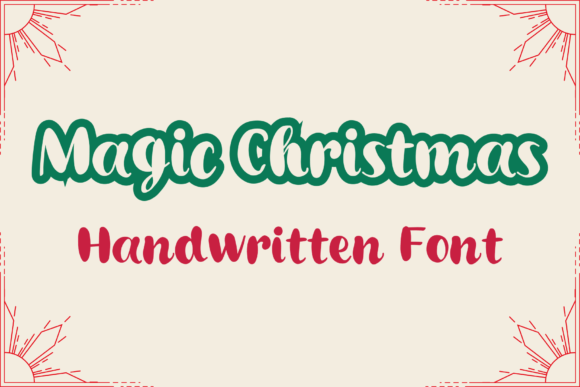
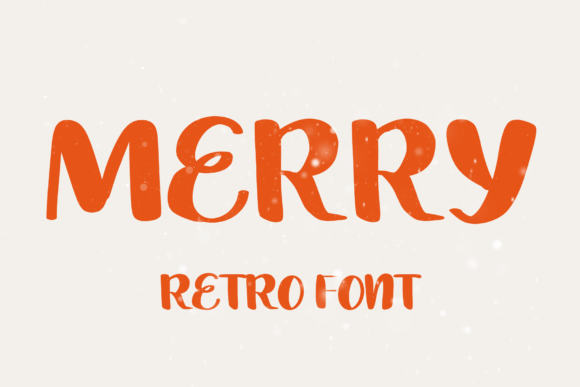
At its core, Merry is a handwritten font characterized by its smooth, flowing strokes and slightly irregular baseline, mimicking the natural rhythm of handwriting. Unlike rigid, formal typefaces, it has a casual, spontaneous energy. The letterforms are rounded and open, contributing to its inherently friendly and welcoming vibe. This isn't the sharp, edgy script you'd use for a luxury law firm; it's the typeface you'd choose for a children's boutique, a cozy café, or a personal blog that wants to feel like a conversation with a friend.
Its visual style makes it incredibly effective as a display font. It commands attention in headlines, logos, and packaging without being overwhelming. The slight variations in stroke weight give it a human touch, which can be a powerful tool in brand identity. When a brand uses Merry, it subtly communicates values like creativity, approachability, and authenticity. It tells the audience that there's a real person behind the design, which can significantly boost engagement and trust, especially in editorial design and web design where personal connection is key.
Where Merry Shines: Practical Applications for Every Creator
The true value of a creative font like Merry is measured by its utility. Its strength lies in its versatility across a wide spectrum of projects, making it a valuable addition to any designer's toolkit.
- Branding and Logo Design: Merry is a fantastic choice for brands targeting families, children, or audiences seeking a relaxed, personal feel. Think bakeries, craft studios, wedding planners, or lifestyle coaches. Its handwritten nature makes logos feel custom and intimate.
- Marketing and Social Media: In the fast-scrolling world of social media, personality stops thumbs. Use Merry for Instagram quotes, Facebook ad headlines, or Pinterest pins to add an instant layer of charm and relatability. It works exceptionally well for social media graphics promoting sales, events, or community-driven content.
- Publishing and Editorial Design: While not suited for body text, Merry can elevate chapter titles, pull quotes, or cover designs for books, magazines, and zines. It adds a personal, authorial touch that a standard serif font or sans serif font can't replicate.
- Packaging Design: For products like artisanal foods, handmade goods, or children's toys, Merry on the label or box immediately communicates the product's handmade, caring quality. It helps create an unboxing experience that feels special.
- Personal and Commercial Projects: From designing wedding invitations and greeting cards to creating T-shirt graphics and posters, Merry is ideal for any project where a fun, personal touch is needed. It's a commercial font that also feels perfectly at home in personal crafts.
Strategic Use: Pairing, Readability, and Professionalism
Using a display font effectively requires more than just liking its look. It demands strategic thinking about hierarchy, readability, and overall cohesion. Merry is no exception.
The key is restraint. Because of its strong personality, Merry should be used for headlines, titles, and short bursts of emphasis—never for long paragraphs. Pairing it with a clean, neutral sans serif font or a classic serif font for body text creates a perfect visual hierarchy. The contrast allows Merry to shine as the focal point while ensuring the overall design remains professional and easy to read. For example, a website header in Merry paired with Open Sans for the body text feels balanced and modern.
Before committing, always test the font in context. Check how it looks at different sizes and on various backgrounds. Does the "y" descend too low? Does the spacing between letters feel right? Good typography is about these details. Also, review the font's included styles—does it come with multiple weights or alternates? This can provide flexibility for different design needs.
Finally, for any commercial project, verify the licensing. A legitimate commercial font license is a non-negotiable part of professional practice. Using Merry correctly means respecting its terms, which protects both the creator and the designer. When used thoughtfully, a font like Merry does more than decorate; it becomes a core component of a recognizable and engaging brand identity.