Present: The Handwritten Font That Feels Like a Friendly Chat
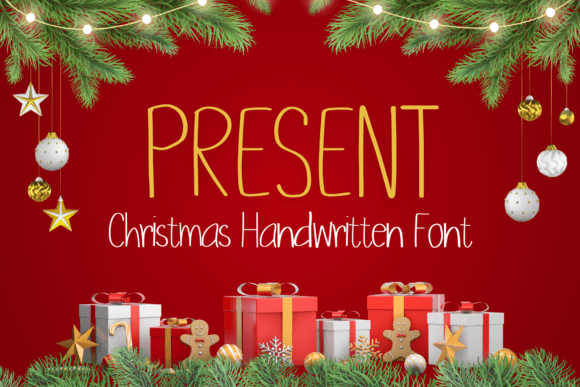
There’s a particular kind of magic in a font that feels genuinely human. Not the rigid, mechanical precision of early digital type, but the warmth of ink on paper, the subtle imperfections that tell a story of a hand moving quickly, with purpose and personality. Present is that kind of magic. It’s a sweet, friendly handwritten display font that manages to be both casual and intentional, like a note from a friend who also happens to have impeccable taste.
Visually, Present is characterized by its soft, rounded letterforms and a gentle, consistent baseline that avoids the wild, unpredictable swings of more aggressive script fonts. The connections between letters feel natural and fluid, but not overly connected, which helps maintain legibility even at smaller sizes or in shorter phrases. Its personality is approachable, fun, and instantly likeable. It doesn’t shout; it invites you in for a conversation. This makes it a powerful tool for designers and creators looking to inject a dose of authentic warmth into their projects without sacrificing clarity.
Where Your Project Finds Its Voice
The true test of any creative font is its versatility. Present shines brightest in applications where a personal, heartfelt touch is the goal. Think beyond the obvious—yes, it’s stunning for wedding invitations and greeting cards, but its utility extends far into the commercial and digital realms.
For brand identity, particularly for small businesses, solopreneurs, and lifestyle brands, Present can be the cornerstone of a friendly, trustworthy image. Imagine it used for a bakery’s logo, the header of a wellness coach’s website, or the product titles for an artisan candle maker. It communicates approachability and care, suggesting that there’s a real person behind the brand. In packaging design, it can make a product feel handcrafted and special, perfect for gourmet foods, skincare lines, or boutique stationery.
In the digital space, this typeface is a workhorse for social media graphics. Its inherent readability on screens makes it ideal for Instagram quotes, Facebook event announcements, or Pinterest pins where you need to grab attention quickly with a personal message. For bloggers and content creators, using Present in header graphics or featured images can break the monotony of standard web fonts, giving their visual content a distinctive, curated feel. It’s also a fantastic choice for editorial design in magazines or lookbooks, especially in pull quotes, section headings, or lifestyle photography captions where a touch of whimsy is welcome.
The Strategic Side of a Friendly Font
Choosing a font like Present isn’t just an aesthetic decision; it’s a strategic one that influences how your audience perceives and interacts with your message. As a display font, its primary role is to catch the eye and set a tone. Used effectively, it can dramatically improve visual hierarchy, guiding the viewer’s eye to the most important information first. A headline in Present, followed by a clean sans serif font for body text, creates a compelling and readable contrast.
This choice directly impacts brand perception. Present helps build a brand identity that is consistent, recognizable, and full of personality. It fosters audience engagement because it feels less corporate and more conversational. People are more likely to pause on a social media post or linger on a webpage that feels human and approachable. However, this power comes with responsibility. Overuse can dilute its impact. It’s not a serif font for long-form reading; it’s a premium font for moments of emphasis. Pairing it thoughtfully is key. It works beautifully with simple, geometric sans serifs or even a traditional, sturdy serif for a balanced, modern typography layout.
Making Present Work for You: Practical Guidance
Ready to incorporate this handwritten font into your toolkit? Here’s how to approach it like a professional.
First, evaluate the project fit. Does the brief call for warmth, fun, or a personal touch? If you’re designing a law firm’s annual report, look elsewhere. If you’re creating a menu for a garden party or a hero banner for a children’s educational app, Present is a strong candidate. Always view the font in context. Mock up a headline on your website layout or overlay it on a sample product photo to see if the tone aligns.
Second, test font pairings rigorously. Don’t just use it in isolation. Combine it with your chosen body font. A common and effective pairing is Present with a neutral, highly legible sans serif like Open Sans or Lato. For a more sophisticated editorial look, try it with a classic serif like Georgia or a modern one like Playfair Display. The goal is contrast, not conflict. The handwritten quality of Present should be complemented, not competed with.
Third, review the full character set and licensing. A quality commercial font like Present will include more than just basic letters. Check for numbers, punctuation, and common ligatures to ensure it can handle all your text needs. Crucially, understand the commercial license. If you’re using it for client work, merchandise, or digital products for sale, you need to ensure the license covers that use. This is a fundamental part of using design assets professionally and ethically.
Finally, consider readability at scale. While Present is legible for its category, always test it at the actual size it will be used. A font that looks charming in a 24-point header might become a blurry squiggle in a 10-point footnote. Use it for headlines, logos, short captions, and calls to action—places where its personality can shine without compromising the reader’s ability to easily understand the message.
In a world saturated with cold, impersonal digital interfaces, a font like Present offers a valuable tool for connection. It’s more than just a collection of glyphs; it’s a conduit for tone and emotion. By understanding its strengths and applying it with strategic intent, you can leverage this creative font to make your designs, your brand, and your message feel not only seen but genuinely felt.