Gateway: The Stylish Serif Font for Modern Brands
Every designer knows the struggle. You need a typeface that feels authoritative and trustworthy, yet it must also look fresh and relevant. You want the elegance of a classic serif without the stuffiness of an old-world newspaper. Enter Gateway. This typeface bridges the gap between traditional typography and contemporary aesthetics. It is an elegant serif font that captures a minimalist, modern vibe. If you are building a brand identity, designing a magazine spread, or crafting a logo, Gateway offers a solution that feels both timeless and current.
Understanding the Gateway Aesthetic
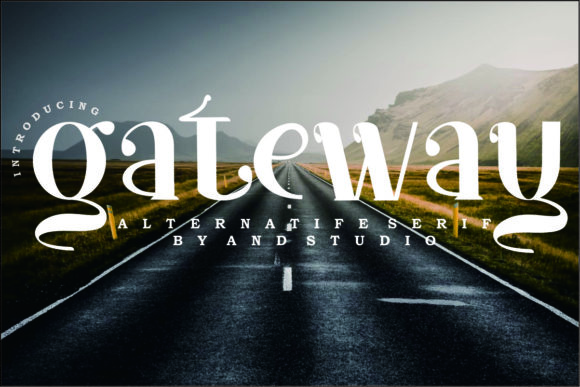
At its core, Gateway is a study in balance. Serif fonts are historically known for their decorative strokes at the ends of letterforms, often associated with books, law firms, and high-end fashion. However, Gateway strips back the excessive ornamentation. It retains the structure of a serif but adopts a cleaner geometry. This creates a unique personality. It feels sophisticated but accessible. It commands attention without shouting.
The visual weight of Gateway is consistent, making it a highly legible premium font. It avoids the extreme thick-thin contrast seen in some Didone typefaces, opting instead for a more even distribution of weight. This characteristic makes it an excellent display font. Whether it is used for a massive headline on a poster or a prominent title on a website, it holds its shape and remains readable. It is the kind of serif font that works seamlessly in modern typography environments where clarity is paramount.
Where This Typeface Shines
The versatility of Gateway allows it to fit into a wide array of projects. Because of its clean lines, it is particularly effective in corporate identity work. A startup or a modern agency often fears that serif fonts might make them look outdated. Gateway solves this problem. It projects professionalism and stability while signaling that the brand is forward-thinking.
Consider the apparel industry. Fashion relies heavily on typography to set a mood. A brand identity for a minimalist clothing line or a luxury accessory brand would benefit greatly from Gateway. It provides that high-end look necessary for tags, packaging, and lookbooks. Similarly, in editorial design, such as magazines and coffee table books, Gateway serves as a strong anchor. It guides the reader's eye and establishes a hierarchy that feels expensive and curated.
Practical Applications for Creators and Businesses
As a creative professional, your toolkit needs assets that work hard. Gateway is not just a static image; it is a functional design asset. For logo design, the font provides a solid foundation. Its legibility ensures that a business name is readable even at small sizes on a business card, yet it has enough character to look stunning on a storefront sign.
In the digital realm, Gateway adapts well. Web design often suffers from a lack of personality when designers stick only to safe sans serif font choices. Integrating Gateway into your headers can instantly elevate a website's aesthetic. It brings a touch of class to blogs, portfolio sites, and e-commerce platforms. For social media graphics, where attention spans are short, a bold, clean serif like Gateway can stop the scroll. It is perfect for Instagram quotes, YouTube thumbnails, and Pinterest pins where text needs to be impactful.
Strategic Font Pairing
One of the most practical aspects of using Gateway is how well it plays with others. Font pairing is an essential skill in design, and Gateway makes the job easier. Because it has a distinct personality without being overbearing, it contrasts beautifully with a clean sans serif font. Imagine using Gateway for your main headings and a geometric sans serif for your body text. This creates a clear visual hierarchy that improves readability and keeps the design looking organized.
It can also work alongside a script font or handwritten font for specific accents, such as a "Sale" tag or a personal signature. However, for long-form text, stick to simpler pairings. When evaluating your project, test Gateway against your existing assets. Does it reinforce your message? If your brand voice is "elegant but efficient," this is likely the right match.
Evaluating Fit and Technical Considerations
Choosing a typeface is a strategic decision, not just an artistic one. Before finalizing Gateway for a project, consider the specific needs of your medium. For packaging design, you need to ensure the font is legible on curved surfaces and at various distances. Gateway’s open letterforms generally handle this well, but testing is always required.
For digital use, such as web design or app interfaces, file size and loading times matter. Since Gateway is designed with modern usage in mind, it typically performs well in these environments. Always check the available styles. Does the family include bold, italic, and light weights? Having a range of weights allows you to create depth in your designs without introducing a second typeface, which helps maintain brand consistency.
Licensing is another critical factor. If you are using Gateway for commercial work—whether it is for a client, a product you sell, or a monetized YouTube channel—you must ensure you have the correct commercial font license. Most premium fonts come with specific terms regarding usage. Respecting these terms protects you legally and supports the type designers who create these tools.
Final Thoughts on Implementation
Gateway represents a shift in how we view serif fonts. It proves that serifs can be modern, minimal, and highly functional. It is a creative font that does not sacrifice readability for style. Whether you are a blogger looking to upgrade your site's look, an entrepreneur crafting a new brand identity, or a designer working on editorial design, Gateway offers a reliable and stylish option.
When you integrate this typeface into your workflow, you are doing more than just picking letters. You are choosing a voice. You are deciding how your audience perceives your content. With its blend of elegance and minimalism, Gateway helps you communicate with clarity and confidence. It is a valuable addition to any designer's library of design assets, ready to bring a touch of sophistication to your next project.